Policy & Governance
Vietnam Accelerates Health System Digitisation, Opening Doors for Tech Innovation
Vietnam is advancing the digitisation of its health system, with opportunities spanning electronic medical records, AI diagnostics and telehealth.
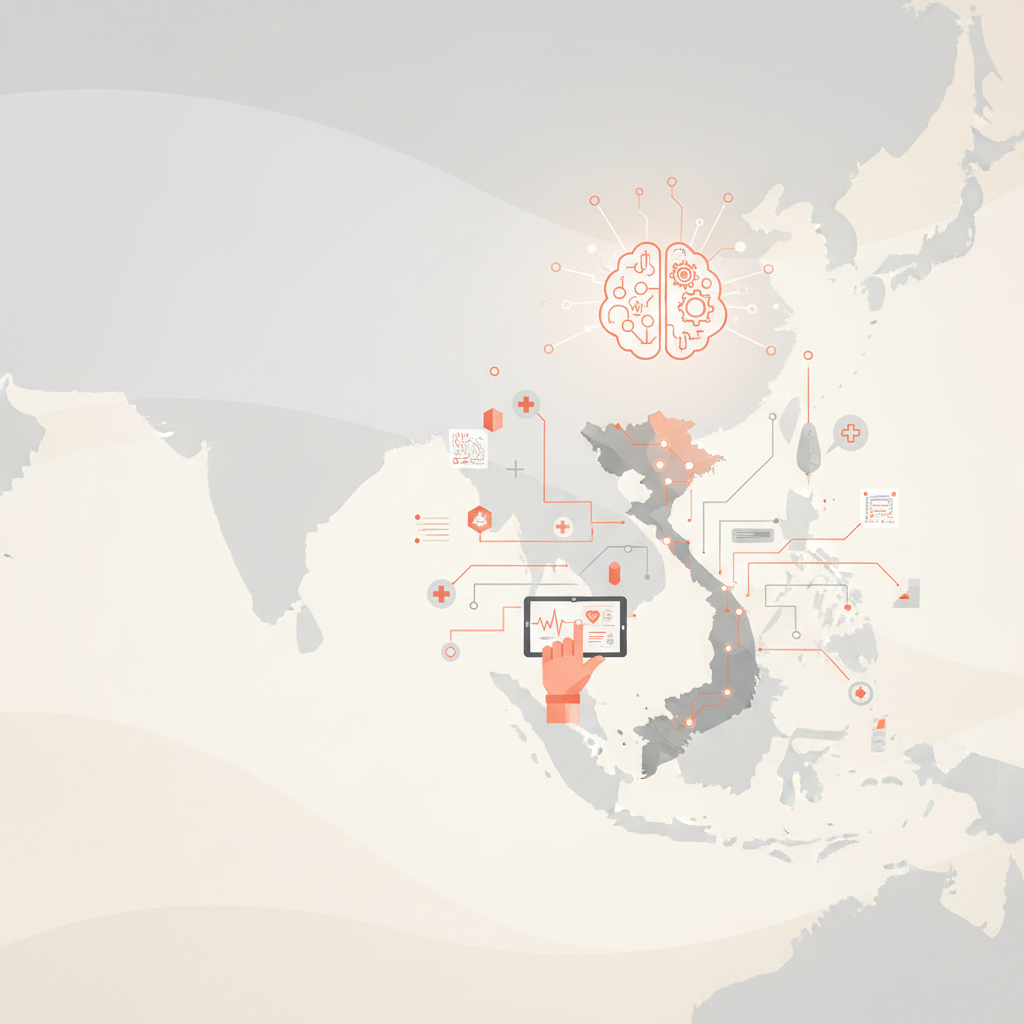
Vietnam's Bold Digital Health Ambition
Vietnam is embarking on a significant and comprehensive journey to digitise its national health system, a strategic initiative that is creating substantial opportunities across various technological domains. This robust push towards digital transformation is set to reshape healthcare delivery and management throughout the South-East Asian nation. The country's strong commitment to integrating advanced technology into its healthcare infrastructure is clearly demonstrated by its focused efforts on key areas designed to enhance operational efficiency, improve health data management, and elevate the quality of patient care. This development marks a pivotal shift, indicating a move towards a more interconnected, data-driven, and technologically sophisticated healthcare landscape within Vietnam, impacting clinics, hospitals, and health service providers nationwide.
Core Pillars of Digital Transformation Unveiled
The extensive digitisation initiatives underway in Vietnam address several critical facets of the healthcare sector. A primary area of concentrated effort involves the widespread implementation and enhancement of electronic medical records (EMR) systems. This foundational initiative is designed to streamline the handling of patient information, significantly improve data accuracy, and facilitate more efficient clinical workflows for medical professionals. Beyond the individual EMR systems, a paramount focus is placed on achieving comprehensive health data interoperability. This crucial objective aims to ensure that disparate healthcare systems and digital platforms can seamlessly exchange, access, and effectively utilise patient information, thereby fostering a truly integrated digital health ecosystem across the country. The success of such interoperability is key to unlocking the full potential of digitisation.
Further advancing its technological capabilities, the Vietnamese health system is actively exploring and integrating cutting-edge solutions, including artificial intelligence (AI) diagnostics. The strategic incorporation of AI in diagnostic processes holds considerable promise for enhancing both the precision and speed of disease detection, providing invaluable support to clinicians in making timely and accurate decisions. Concurrently, cybersecurity has been identified as an absolutely vital component of the overarching digitisation strategy. Safeguarding sensitive health data from potential breaches and ensuring the unwavering integrity and resilience of digital systems are paramount concerns as the nation increasingly relies on digital infrastructure for its healthcare operations. Finally, the expansion and improvement of telehealth services constitute another significant aspect of Vietnam's digital health agenda. These services are geared towards broadening access to medical care, particularly benefiting populations in remote or underserved areas, and significantly improving convenience for all patients. These five core areas—EMR, health data interoperability, AI diagnostics, cybersecurity, and telehealth—collectively form the essential framework upon which Vietnam's advanced digital health infrastructure is being built.
Future Outlook for Healthcare Providers
This sustained and government-backed drive towards a fully digitised health system in Vietnam represents more than just a series of technological upgrades; it signifies a fundamental reorientation of healthcare delivery and management. For clinic owners, practice managers, and health leaders within Vietnam and potentially across the broader Asian region, these developments signal a rapidly evolving landscape where digital proficiency and integration will become increasingly central to effective and efficient healthcare provision. The emphasis on interoperability and cybersecurity, alongside advanced tools like AI diagnostics and accessible telehealth, suggests a future where healthcare services are more connected, secure, and patient-centric. These initiatives are poised to reshape the operational models and strategic priorities for healthcare providers throughout the nation, fostering an environment ripe for innovation and collaboration in health technology.